Maa Tara Pest Solution

Welcome

Pests are the most raising issues in both of the residential and commercial property. Pest Control in Kolkata offers you the best solution for the problems related to all type of pests including Ant- Termite Treatments. We offer an effective control measure services to our consumers. For example Rodents are very well adjusted with the living or in close proximity to humans. Rodents along with their parasites share our home, food and our immediate surroundings. They Also hide themselves in the furniture including , beds and mattresses etc. where we relax, sleep and stores many things like food, clothes materials etc. We don't realize that they are around us. Obviously they are the main and the biggest reason of health problems.

Rodent is a type of big rat which is commonly known as indian Geese .They generally breed in the filthy places where we store the materials and other important articles. They try to destroy the goods of all sorts by chewing and gnawing them.

Our Services take care of all such problems effectively including destructive rodents, insects, and animals.

Introduction

MTPS  has in depth experience, technical and resource capability to provide our clients with best in the class service solutions no matter what the pest issues being faced or what our client requirements are, big or small! 


Meeting customer expectations whilst using minimal amounts of pesticides is our goal. This is why MTPS  provides Integrated Pest Management (IPM) for our clients and their properties. This is partly achieved through our initial consultation with the customer and a survey of the property, followed by a service solution plan that has taken into consideration clients specific needs and concerns, authority requirements, past and existing pest issues, causing factors, as well as potential threats.

Our approach that one size does not fit all means that our customers get the service they need in the most practical and economical way possible which is maintained by the combination of modern, safe and effective control techniques, in depth knowledge & experience with an ongoing, open working relationship from our dedicated team. 

Maa Tara Pest Solution prides itself on customer satisfaction we consistently achieve this through our  customer call centre, modern quality control and operation systems, dedicated client account managers, ongoing training and development of our team, providing fully trained and equipped service friendly teams that have a passion to control your pests in a safe professional manner. But most importantly we listen to our clients to fully understand their needs and deliver. We never say No but if there's something we can't provide we will explain why and offer alternative solutions.

Contact us.  7685815989

                      9748115549

M@il id.      maatarapestsolution@gmail.com


About

Pest control refers to the regulation or management of a species defined as a pest, and can be perceived to be detrimental to a person'shealth, the ecology or the economy. A practitioner of pest control is called an exterminator.


Pest control is at least as old as agriculture, as there has always been a need to keep crops free from pests. In order to maximize food production, it is advantageous to protect crops from competing species of plants, as well as from herbivores competing with humans.


The conventional approach was probably the first to be employed, since it is comparatively easy to destroy weeds by burning them or plowing them under, and to kill larger competing herbivores, such as crows and other birds eating seeds. Techniques such as crop rotationcompanion planting (also known as intercropping or mixed cropping), and the selective breeding of pest-resistant cultivars have a long history.


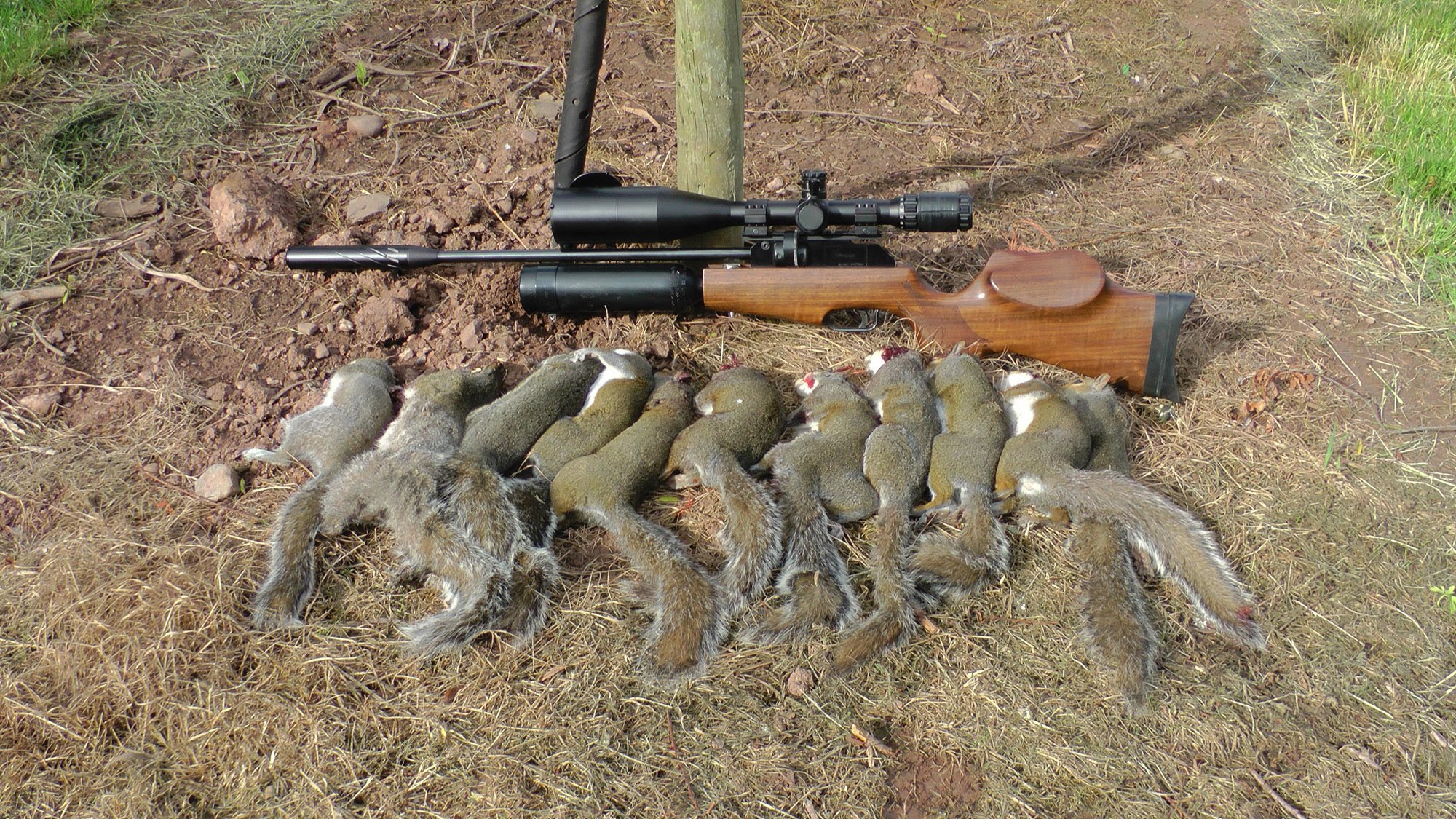
In the UK, following concern about animal welfare, humane pest control and deterrence is gaining ground through the use of animal psychology rather than destruction. For instance, with the urban red fox which territorial behaviour is used against the animal, usually in conjunction with non-injurious chemical repellents. In rural areas of Britain, the use of firearms for pest control is quite common. Airguns are particularly popular for control of small pests such as rats, rabbits and grey squirrels, because of their lower power they can be used in more restrictive spaces such as gardens, where using a firearm would be unsafe.


Chemical pesticides date back 4,500 years, when the Sumerians used sulfur compounds as insecticides. The Rig Veda, which is about 4,000 years old, also mentions the use of poisonous plants for pest control. It was only with the industrialization and mechanization of agriculture in the 18th and 19th century, and the introduction of the insecticidespyrethrum and derris that chemical pest control became widespread. In the 20th century, the discovery of several synthetic insecticides, such as DDT, and herbicides boosted this development. Chemical pest control is still the predominant type of pest control today, although its long-term effects led to a renewed interest in traditional and biological pest control towards the end of the 20th century.


Why causes are pest?

Many pests have only become a problem as a result of the direct actions by humans. Modifying these actions can often substantially reduce the pest problem. In the United Statesraccoons caused a nuisance by tearing open refuse sacks. Many householders introduced bins with locking lids, which deterred the raccoons from visiting. House flies tend to accumulate wherever there is human activity and live in close association with people all over the world[1][2] especially where food or food waste is exposed. Similarly, seagulls have become pests at many seaside resorts. Tourists would often feed the birds with scraps of fish and chips, and before long, the birds would rely on this food source and act aggressively towards humans.

Living organisms evolve and increase their resistance to biological, chemical, physical or any other form of control. Unless the target population is completely exterminated or is rendered incapable of reproduction, the surviving population will inevitably acquire a tolerance of whatever pressures are brought to bear - this results in an evolutionary arms race.

कीट नियंत्रण

कीट नियंत्रण से आशय कीट के रूप में परिभाषित प्रजाति के नियंत्रण या प्रबंधन से है, क्योंकि आमतौर पर उन्हें व्यक्तियों के स्वास्थ्यपारिस्थितिकी या अर्थव्यवस्था के लिए हानिकारक माना जाता है।

कीट नियंत्रण का इतिहास भी लगभग उतना ही पुराना है जितना कि कृषि का क्योंकि फसलों को हमेशा से ही कीट मुक्त रखने की आवश्यकता रही है। खाद्य पदार्थों के उत्पादन को अधिकतम करने के लिए फसलों को पौधों की प्रतिस्पर्धी प्रजातियों के साथ-साथ मनुष्यों के साथ प्रतिस्पर्धा करने वाले शाकाहारी पशु-पक्षियों से बचाना भी लाभप्रद होता है।

सबसे पहले संभवतः पारंपरिक तरीकों का ही इस्तेमाल किया जाता था, क्योंकि घास-फूस को जलाकर या जुताई करके उन्हें जमीन के अंदर करके; और कौवों तथा बीज-भक्षण करने वाले अन्य पक्षियों जैसे बड़े शाकाहारी पशु-पक्षियों को नष्ट करना अपेक्षाकृत रूप से ज्यादा आसान होता है। फसल आवर्तन, सहयोगी फसल-रोपण (जिसे अंतर-फसल या मिश्रित फसल-रोपण भी कहा जाता है) और कीट प्रतिरोधी फसलों के चयनित प्रजनन का एक लंबा इतिहास रहा है।

कई कीट मनुष्य की प्रत्यक्ष गतिविधियों की वजह से ही एक समस्या के रूप में उभरे हैं। इन गतिविधियों के संशोधन द्वारा कीट संबंधी समस्याओं पर काफी हद तक नियंत्रण किया जा सकता है। संयुक्त राज्य अमेरिका में, रैकून नामक एक जानवर अक्सर बोरियों को फाड़ दिया करते थे जो कि एक बड़ी समस्या थी। कई लोगों ने अपने घरों में उनको पकड़ने वाले डिब्बों को रखना शुरु कर दिया जिससे उनका उत्पात में कमी आई. लगभग पूरी दुनिया में मक्खियां अक्सर मानव गतिविधि वाले क्षेत्रों के निकट ही अधिक मात्रा में पाई जाती हैं, खासकर उन क्षेत्रों में जहां खाद्य सामग्री खुले में रखी जाती है। इसी प्रकार, समुद्री पक्षी सागर तट पर बने कई रिसोर्ट्स में काफी उत्पात मचाते हैं। पर्यटक अक्सर इन पक्षियों को मछलियों या चिप्स के टुकड़े खिलाते हैं जिसके कारण जल्द ही वे पक्षी उनके आदी हो जाते हैं और मनुष्यों के प्रति आक्रामक व्यवहार करने लगते हैं।

ब्रिटेन में, पशु कल्याण के प्रति चिंता के कारण कीट नियंत्रण के लिए मानवीय तरीकों का इस्तेमाल काफी लोकप्रिय हो रहा है, जिसमें उन्हें मारने की बजाय पशु मनोविज्ञान के इस्तेमाल पर अधिक जोर दिया जाता है। उदाहरण के लिए, शहरी लाल लोमड़ियों के उत्पात से निजात पाने के लिए आमतौर पर गैर-हानिकारक रासायनिक सामग्रियों के साथ-साथ क्षेत्रीय व्यवहार तकनीकों का भी इस्तेमाल किया जाता है। ब्रिटेन के ग्रामीण क्षेत्रों में कीट नियंत्रण के लिए बंदूकों का उपयोग काफी आम है। चूहों, खरगोशों तथा भूरी गिलहरी जैसे छोटे कीटों के नियंत्रण के लिए एयरगन विशेष रूप से लोकप्रिय हैं, क्योंकि अपनी कम शक्ति के कारण उन्हें बगीचों जैसे छोटे स्थानों में भी आसानी से इस्तेमाल किया जा सकता है जहां अन्य बंदूकों का इस्तेमाल अन्यथा असुरक्षित होता है।

रासायनिक कीटनाशकों का इस्तेमाल लगभग 4500 सालों से किया जा रहा है, जब सुमेर निवासी सल्फर यौगिकों का इस्तेमाल कीटनाशकों के रूप में करते थे। ऋग्वेद, जो कि लगभग 4,000 साल पुरानी है, उसमें भी कीट नियंत्रण के लिए जहरीले पौधों के इस्तेमाल का उल्लेख मिलता है। रासायनिक कीट नियंत्रण का व्यापक रूप से इस्तेमाल, 18 वीं तथा 19 वीं शताब्दी में कृषि के औद्योगिकीकरण तथा मशीनीकरण और पाईरेथ्रम एवं डेरिस जैसे कीटनाशकों के आने के बाद ही संभव हुआ था। 20 वीं सदी में डीडीटी (DDT) जैसे कई कृत्रिम कीटनाशकों तथा पौध-नाशकों की खोज से इसके विकास में और अधिक तेजी आई. रासायनिक कीट नियंत्रण आज भी कीट नियंत्रण का एक प्रमुख साधन है, हालांकि इसके दीर्घकालिक दुष्प्रभावों के चलते 20 वीं सदी के अंत में पारंपरिक और जैविक कीट नियंत्रण पर लोगों ने पुनः ध्यान देना शुरु कर दिया है।

जीवित वस्तुएं निरंतर विकसित और परिवर्तित होती रहती हैं और जैविक, रासायनिक, भौतिक या नियंत्रण के अन्य सभी रूपों के प्रति उनका प्रतिरोधक क्षमता भी बढ़ती जाती है। जब तक लक्षित आबादी को पूर्णतया समाप्त या प्रजनन हेतु अक्षम न कर दिया जाए, बची हुई आबादी अनिवार्य रूप से सभी प्रकार के कीटनाशकों के प्रति प्रतिरोधक क्षमता विकसित कर लेती है - जिससे एक सदैव जारी रहने वाली हथियारों की होड़ का जन्म होता है।